Recycling and Sustainability for Landscaping Willesden
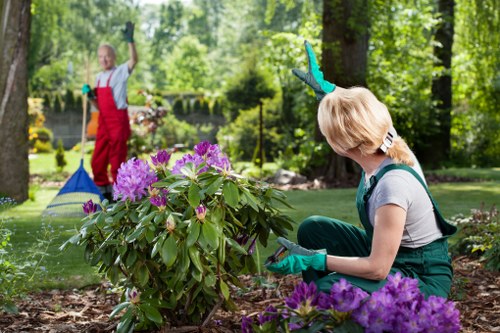 At Landscaping Willesden, sustainability is built into the way outdoor spaces are planned, maintained, and refreshed. Our approach to landscaping in Willesden focuses on reducing waste at every stage, from site clearances and pruning to material selection and transport. By reusing resources where possible, separating green waste carefully, and choosing lower-impact operations, we help keep projects cleaner and more responsible. We aim for a minimum recycling rate of 90% across our landscaping waste streams, with the long-term goal of improving this figure as local facilities and sorting methods continue to evolve.
For many Willesden landscaping projects, the biggest sustainability gains come from how materials are handled after they leave the site. Soil, branches, turf, paving offcuts, pots, plastic wraps, and metal fixings can often be diverted into different recycling or recovery routes instead of going to landfill. We work with clear sorting procedures so that green waste is separated from mixed debris wherever possible. This is especially important in London boroughs, where waste separation rules and local recovery systems encourage careful sorting of wood, metals, aggregates, and organic matter before transfer.
 Our recycling process also reflects the practical reality of working across northwest London. Depending on the material, loads may be taken to local transfer stations that support reuse, recovery, and recycling streams. These facilities play a valuable role in handling soil, timber, hardcore, green cuttings, and other landscaping residue in a structured way. By using nearby transfer points where available, Landscaping Willesden recycling activity can reduce unnecessary mileage and improve sorting efficiency. In turn, this supports a more circular approach to garden and grounds work.
We also place value on partnerships with charities and community organisations. Usable items such as surplus planters, raised-bed timber, compostable materials, robust garden tools, and some decorative features can sometimes be redirected to charities, community gardens, schools, or local projects rather than discarded. In a borough like Willesden, where community-led green spaces and shared growing areas matter, this kind of reuse helps extend the life of materials and supports wider social benefit. It is a practical way for sustainable landscaping in Willesden to contribute beyond a single site.
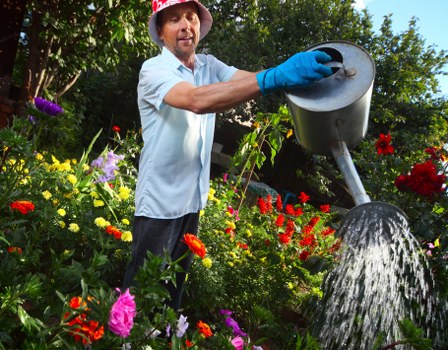 Low-carbon vans are another important part of our sustainability approach. By using modern, fuel-efficient vehicles with reduced emissions, we cut the environmental cost of moving materials, tools, and crews between jobs. For urban landscaping work, shorter journeys and efficient route planning can make a real difference. Low-carbon vans also support cleaner operations when collecting recyclable waste, delivering compost, or transporting salvaged materials to local partners. Combined with responsible loading and scheduled collections, they help reduce the overall footprint of landscape waste recycling in Willesden.
Our sustainability methods are designed to suit the borough’s wider waste culture, where household and commercial recycling routines already influence local expectations. That includes the separation of food waste, garden cuttings, cardboard, plastics, metals, and bulky items, as well as the careful handling of soil and rubble from outdoor works. In landscaping, this means planning ahead for different waste streams and keeping recyclable materials uncontaminated. A well-organised site makes it easier to recover more material and helps ensure that Willesden garden recycling efforts remain efficient and compliant.
 One of the simplest ways we improve sustainability is through selective reuse on site. Clean stones may be reused in drainage layers, sound timber can be repurposed for edging or temporary supports, and healthy plant matter can be turned into mulch or compost where appropriate. Even when materials cannot be reused directly, they may still be valuable for recycling or energy recovery rather than disposal. This layered approach means that Landscaping Willesden sustainability is not limited to the end of a project; it begins with design choices and continues through cleanup and transport.
We also recognise that local waste management is shaped by borough-level policies and expectations, which increasingly favour separation at source. For landscaping jobs, this can mean handling green waste apart from mixed construction debris, keeping untreated wood separate from treated timber, and avoiding contamination of recyclable loads with general rubbish. Such methods not only improve recycling outcomes but also create cleaner, safer workspaces. In practice, this makes recycling for landscaping in Willesden more effective and more aligned with modern environmental standards.
 As part of our long-term environmental commitment, we continue to review how waste is sorted, where materials are taken, and how transport emissions can be reduced. The combination of a 90% recycling target, local transfer stations, charity partnerships, and low-carbon vans provides a practical framework for greener operations. For clients seeking landscaping services in Willesden with lower environmental impact, these measures show how outdoor work can be both well managed and more responsible. Sustainability is not an add-on; it is a core part of how we care for gardens, materials, and the local environment.